Blog
Page 9 of 11
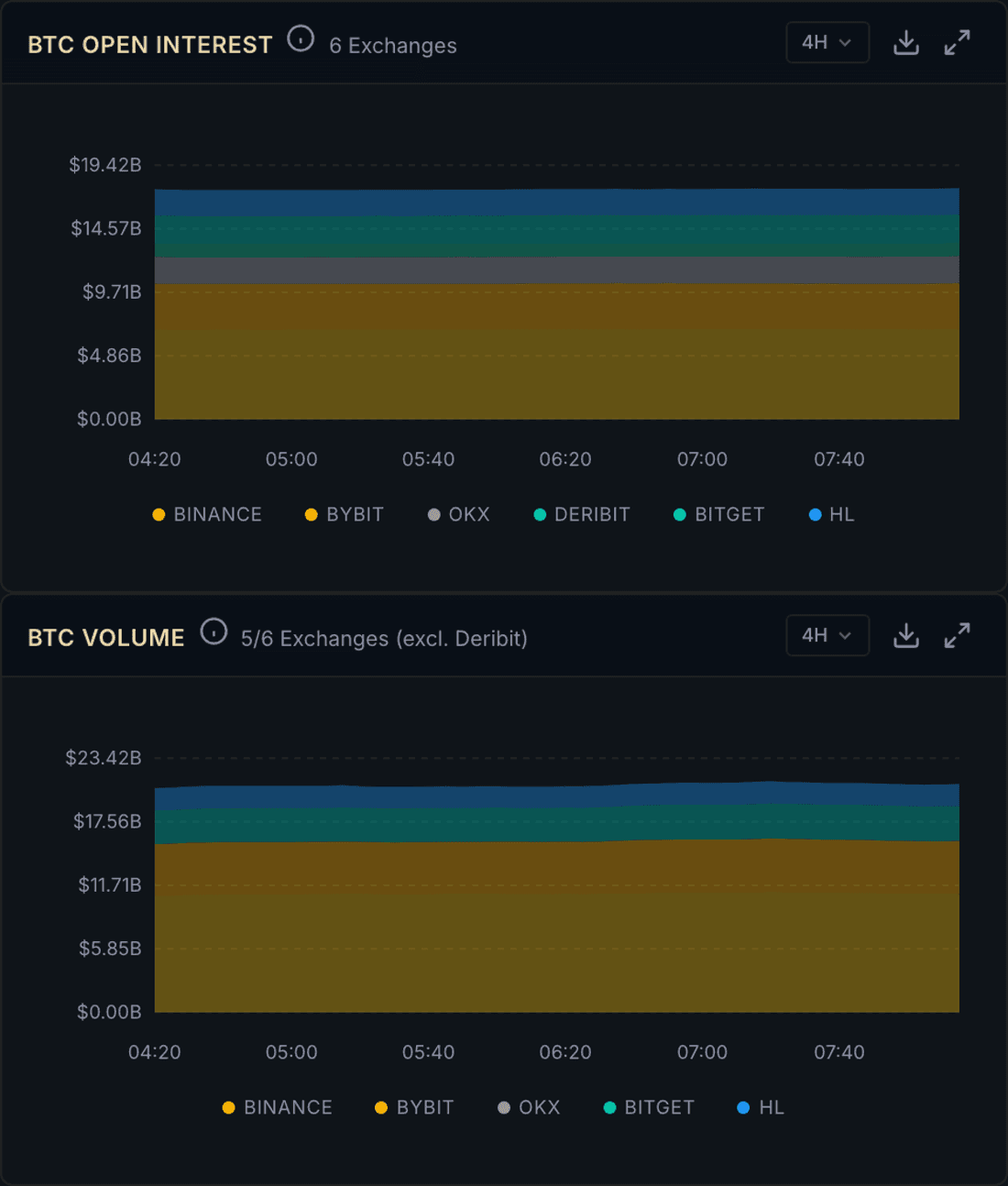
Open Interest vs Volume: What Each Signal Really Tells You
Volume counts how many contracts changed hands over a period and resets each day; open interest counts how many contracts are still open right now and carries over.
 Athenum Analytics
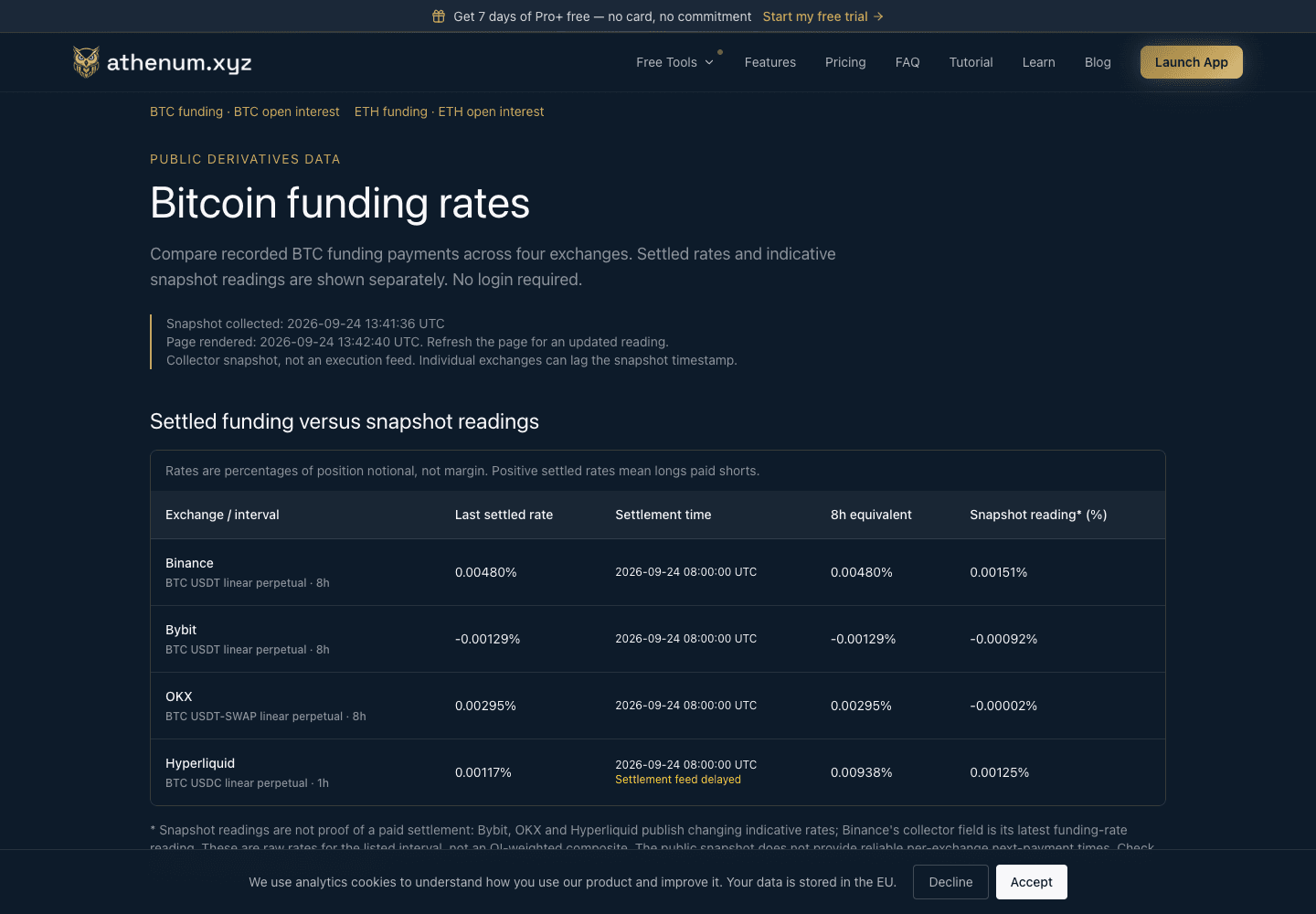
CoinGlass alternatives in 2026: free dashboards, paid tools and APIs
Checked 19 November 2026. A free chart, an ad-free subscription and an API subscription solve different jobs. This comparison separates them. Athenum publishes this article and is one of the products compared; this is not an independent vendor ranking.
Athenum Analytics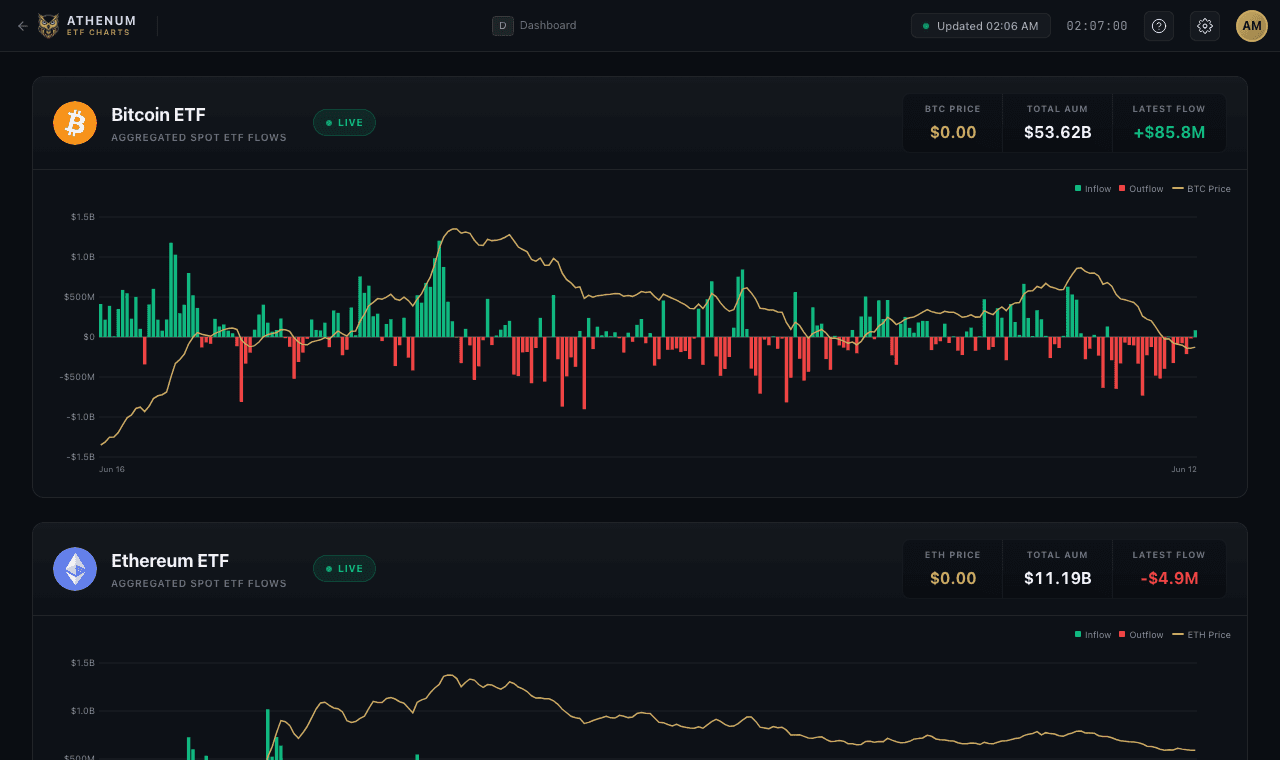
ETF Flows vs Funding Rate: What the Two Signals Say Together
Read spot ETF net flows and perpetual funding as a pair: when they agree, they confirm a move; when they split, they warn. ETF inflows with rising positive funding signal…
Athenum Analytics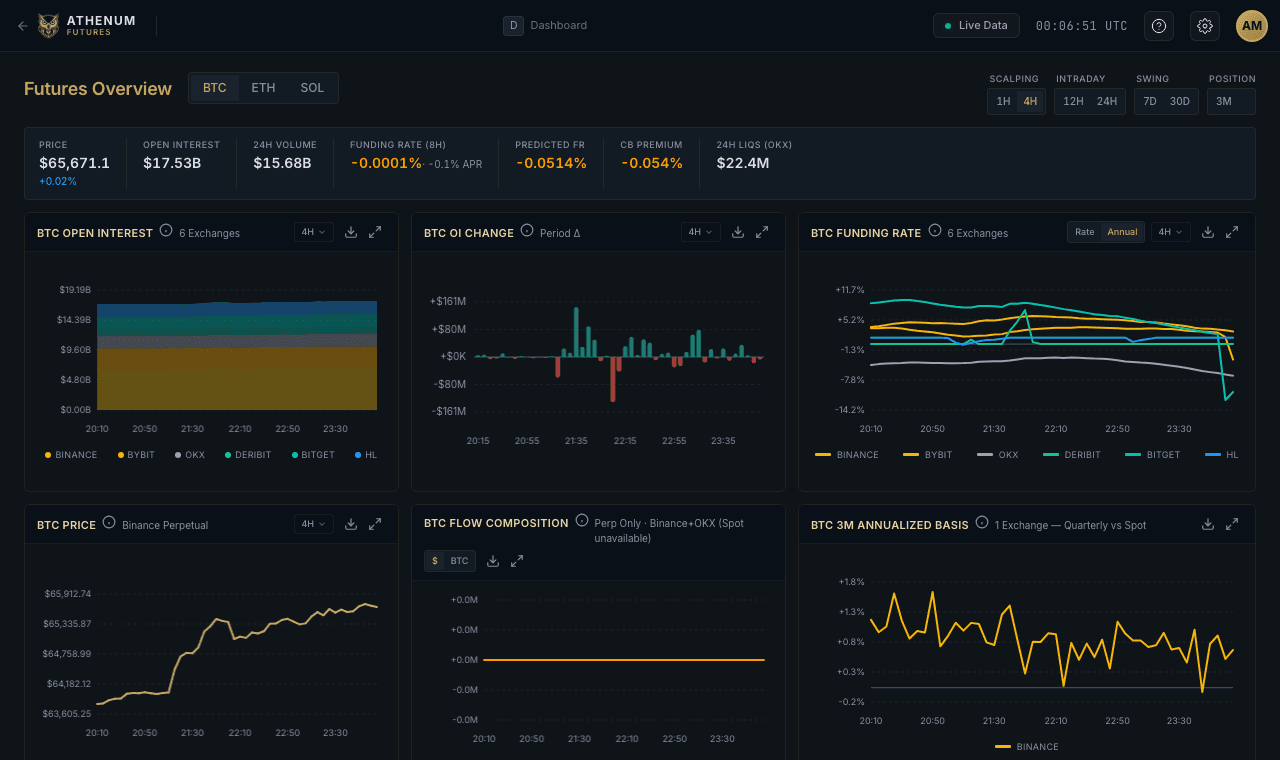
FOMC and Crypto: How Rate Decisions Move Funding and Open Interest
An FOMC decision moves crypto through positioning, not just price: open interest builds into the event, perpetual funding swings as leverage crowds one side, then the 14:00…
Athenum Analytics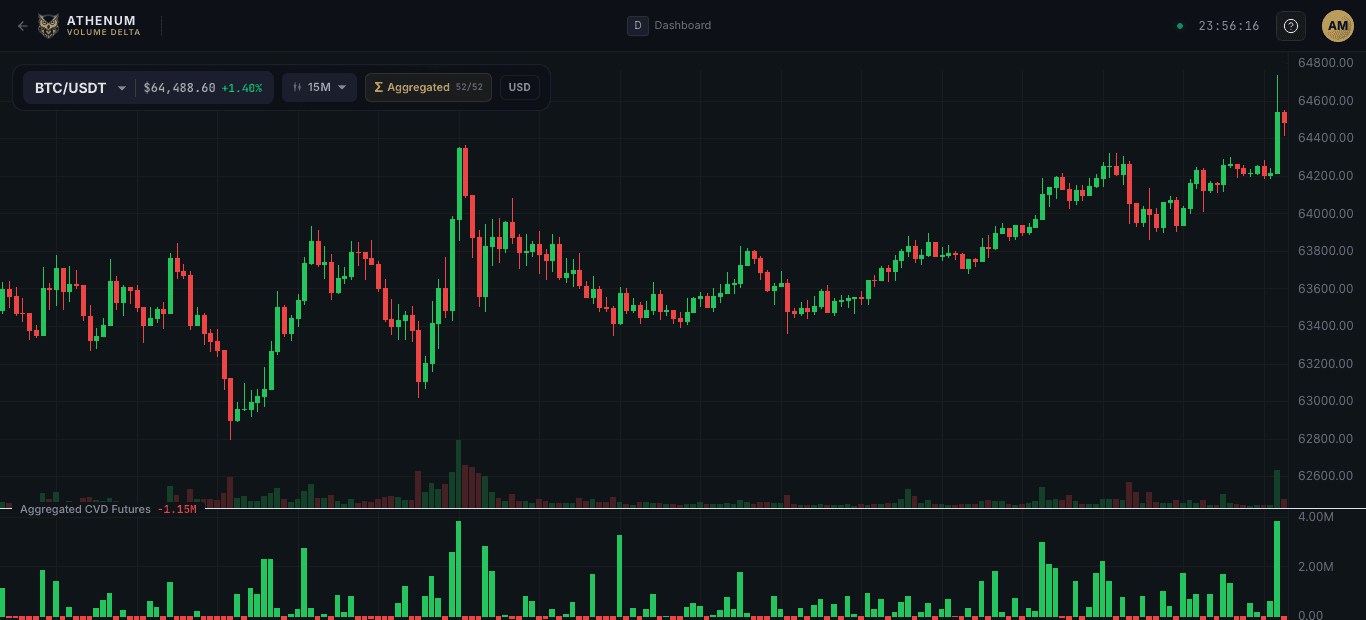
The Premium Index: How Perpetual Prices Stay Tethered to Spot
The premium index measures how far a perpetual trades from its spot index and feeds the funding rate. Here is how it is built, why it exists, and what a persistent premium signals.
Athenum Analytics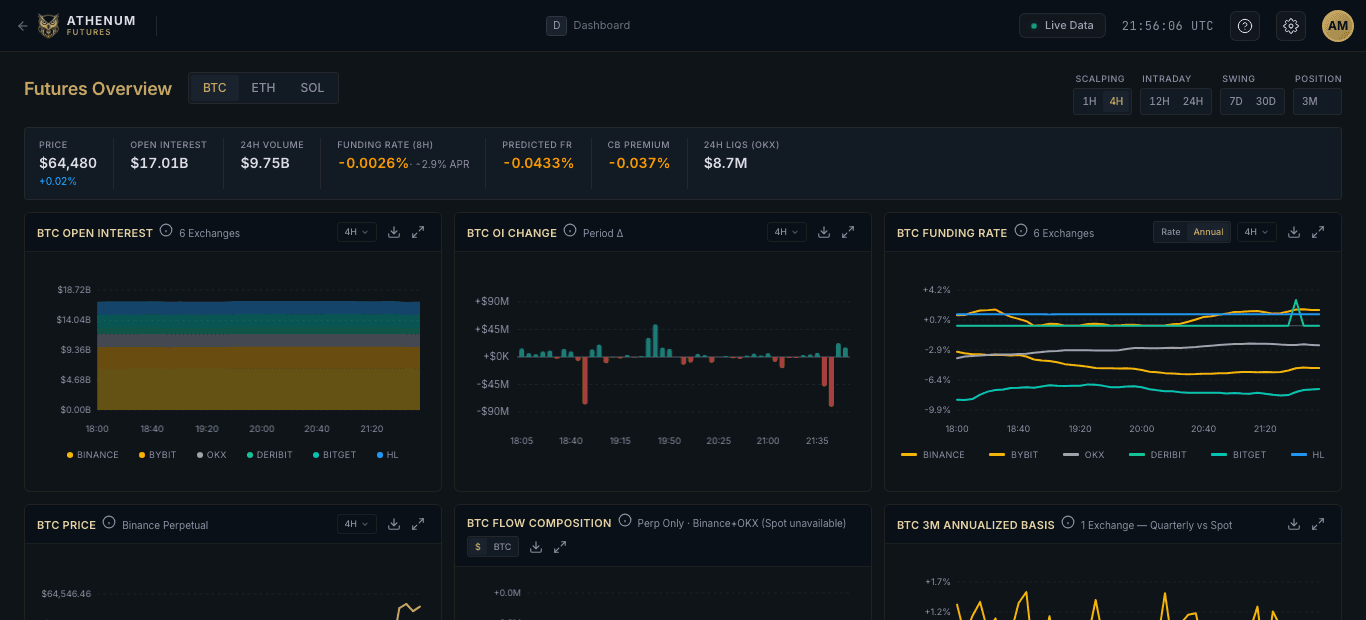
Perpetual Swaps vs Dated Futures: The Real Differences
A mechanics-first comparison of perpetual swaps and dated futures: settlement, how each tracks spot, the cost of carry through funding versus basis, liquidity, and when each instrument fits.
Athenum Analytics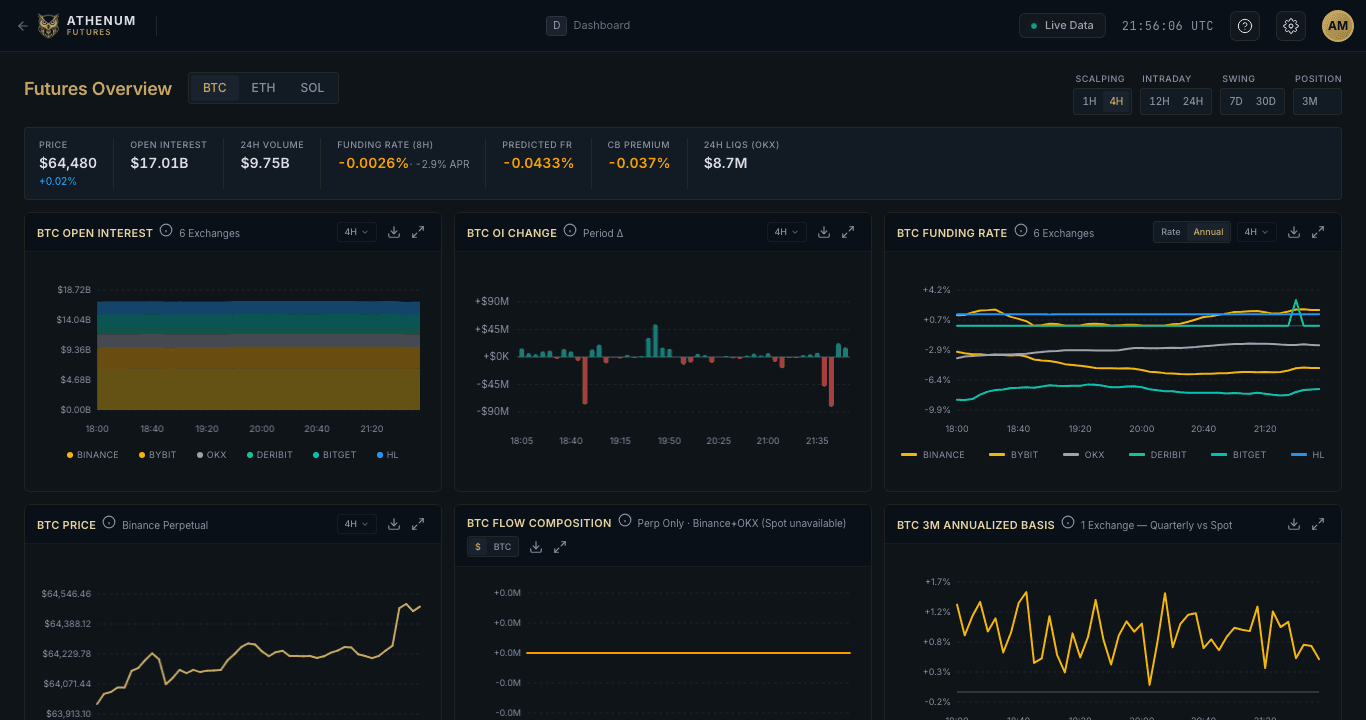
How to Choose a Crypto Derivatives Analytics Tool in 2026 (Free Options Compared)
A fair, mechanics-first guide to choosing a crypto derivatives analytics tool: what Coinglass, Velo, Coinalyze, Hyblock, Laevitas, Tensorcharts and Aggr each do well, the trade-offs, and how to match a tool to what you actually trade.
Athenum Analytics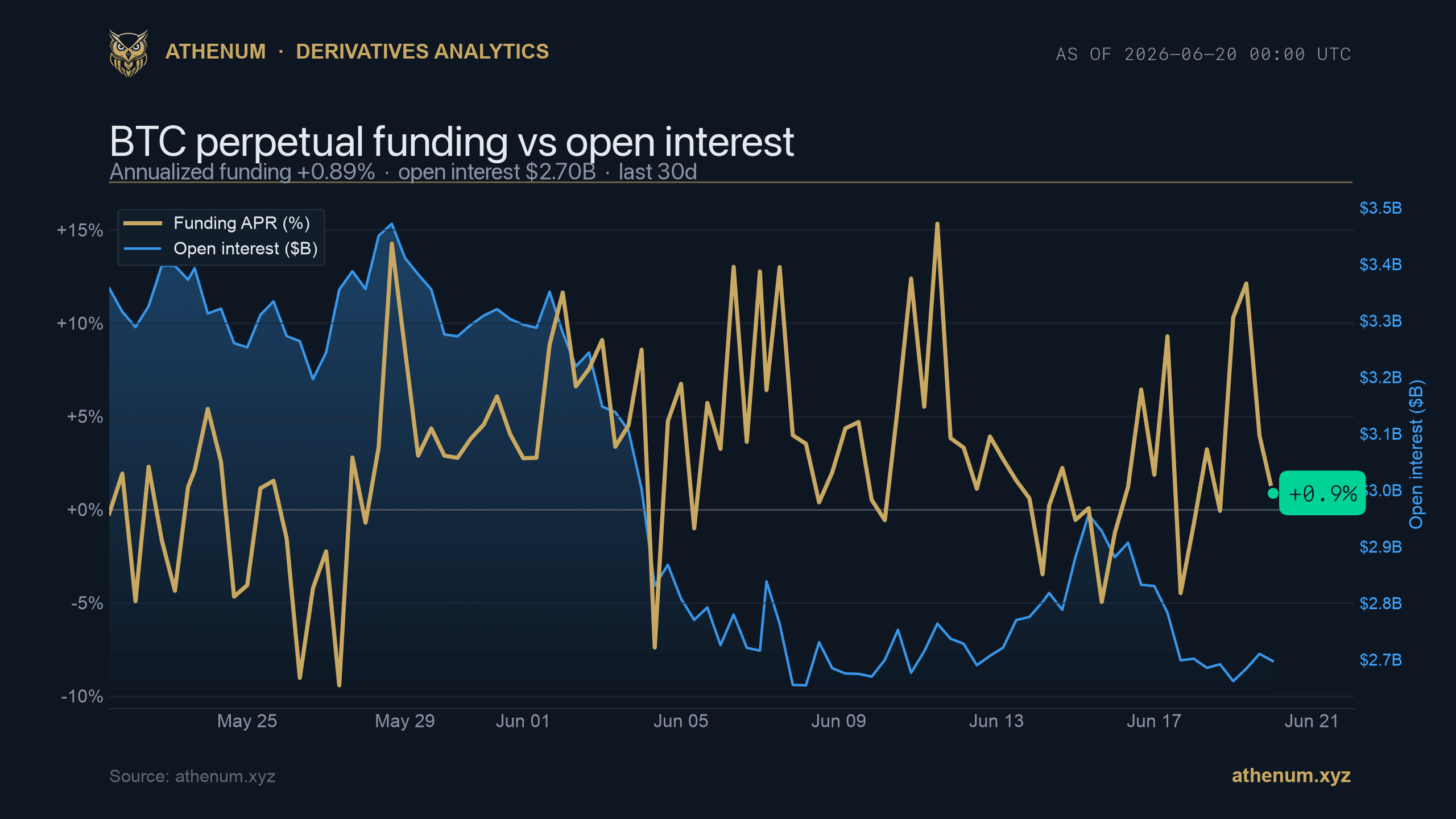
How Crypto Perpetual Funding Rates Are Actually Calculated
How crypto perpetual funding is actually calculated: the premium and interest components, the clamp, the funding interval, why funding is paid peer to peer between longs and shorts, and why the same asset shows different funding across exchanges.
Athenum Analytics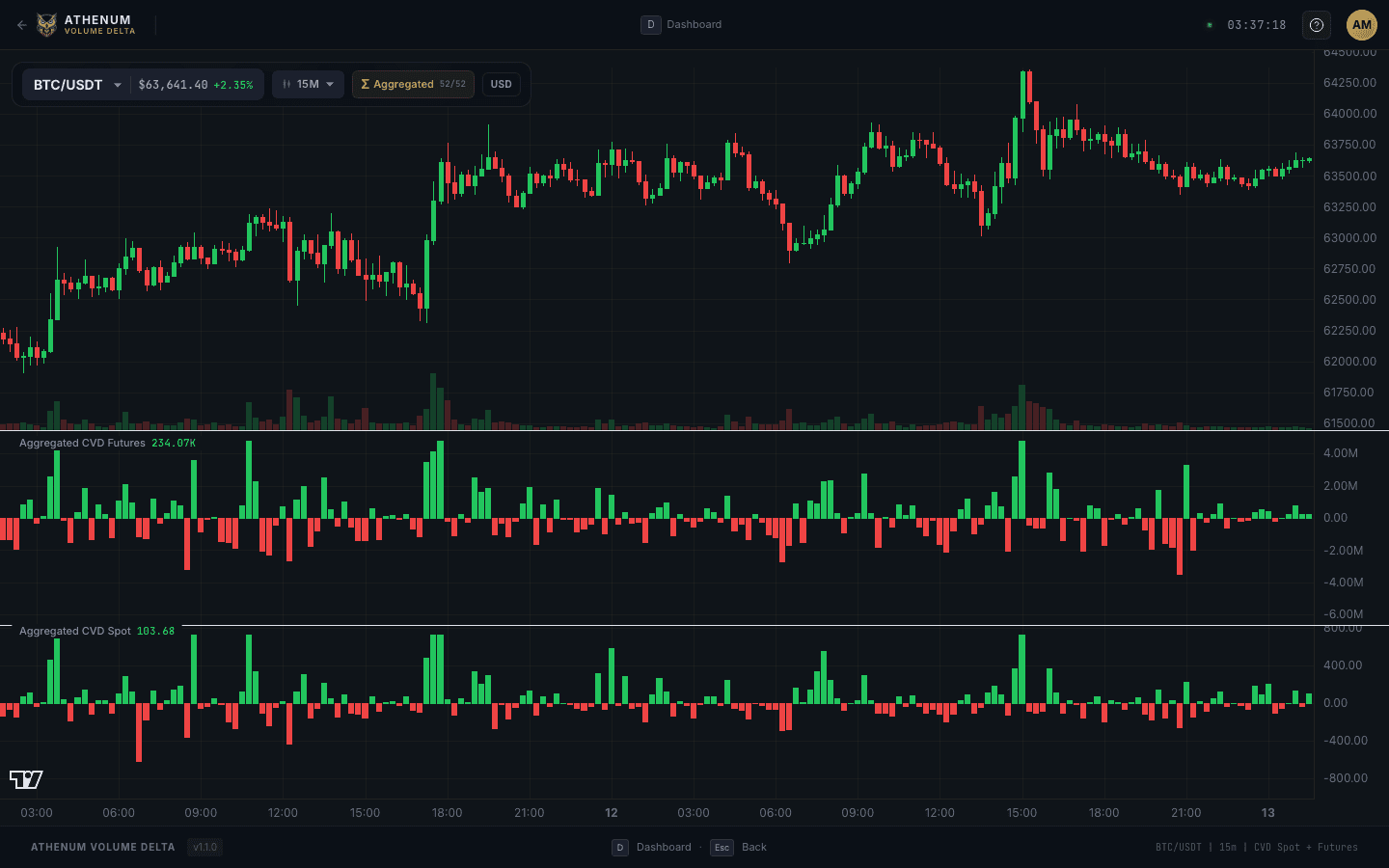
Cumulative Volume Delta (CVD) in Crypto, Explained
What cumulative volume delta measures, how it is built from the aggressor-tagged trade tape, how to read CVD-versus-price divergence for absorption and exhaustion, its venue-dependent limits, and why aggregating across exchanges matters.
Athenum Analytics
İşaret Fiyatı, Endeks Fiyatı ve Son Fiyat: Tasfiyeniz Neden Orada Tetiklenir
Kripto türev borsaları aynı anda üç farklı fiyat takip eder. Tasfiyeleri hangisinin yönettiğini anlamak, piyasayı yanlış okumanızı engeller.
Athenum Analytics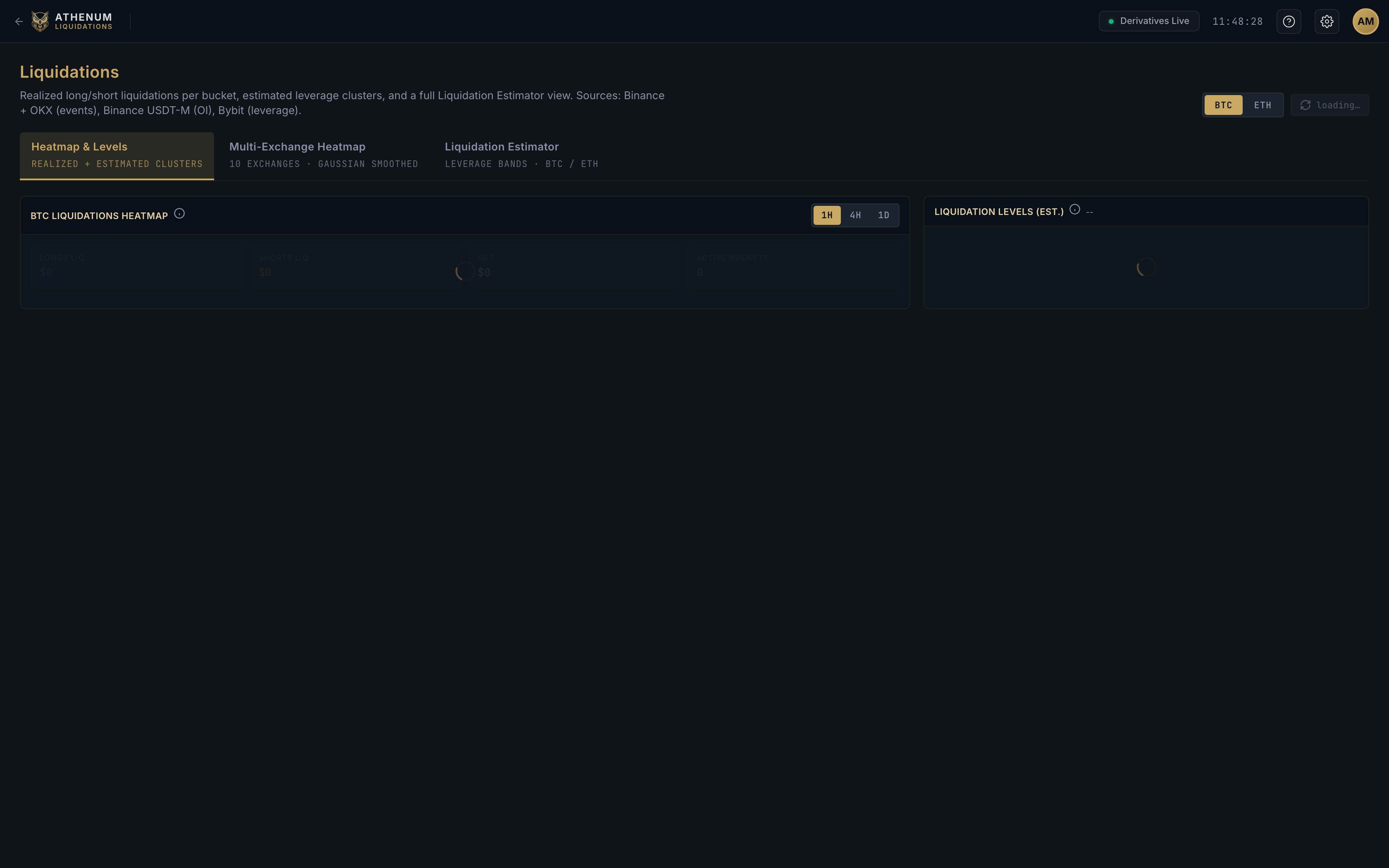
Kripto Vadeli İşlemlerde Likidasyon Çığları Nasıl Oluşur (ve Riski Nasıl Okursunuz)
Bir likidasyon çığının anatomisi: marj, sürdürme marjı, mark fiyatı ve likidasyon motoru bir araya gelip sıradan bir fiyat hareketini şiddetli bir harekete nasıl dönüştürür.
Athenum Analytics
Open Interest in Crypto Futures, Explained (With a Live Read of BTC, ETH and SOL)
What open interest is, the four open-interest-versus-price scenarios, why aggregating across exchanges matters, and a live read of BTC, ETH and SOL.
Athenum Analytics