Topic
Bitcoin
9 articles
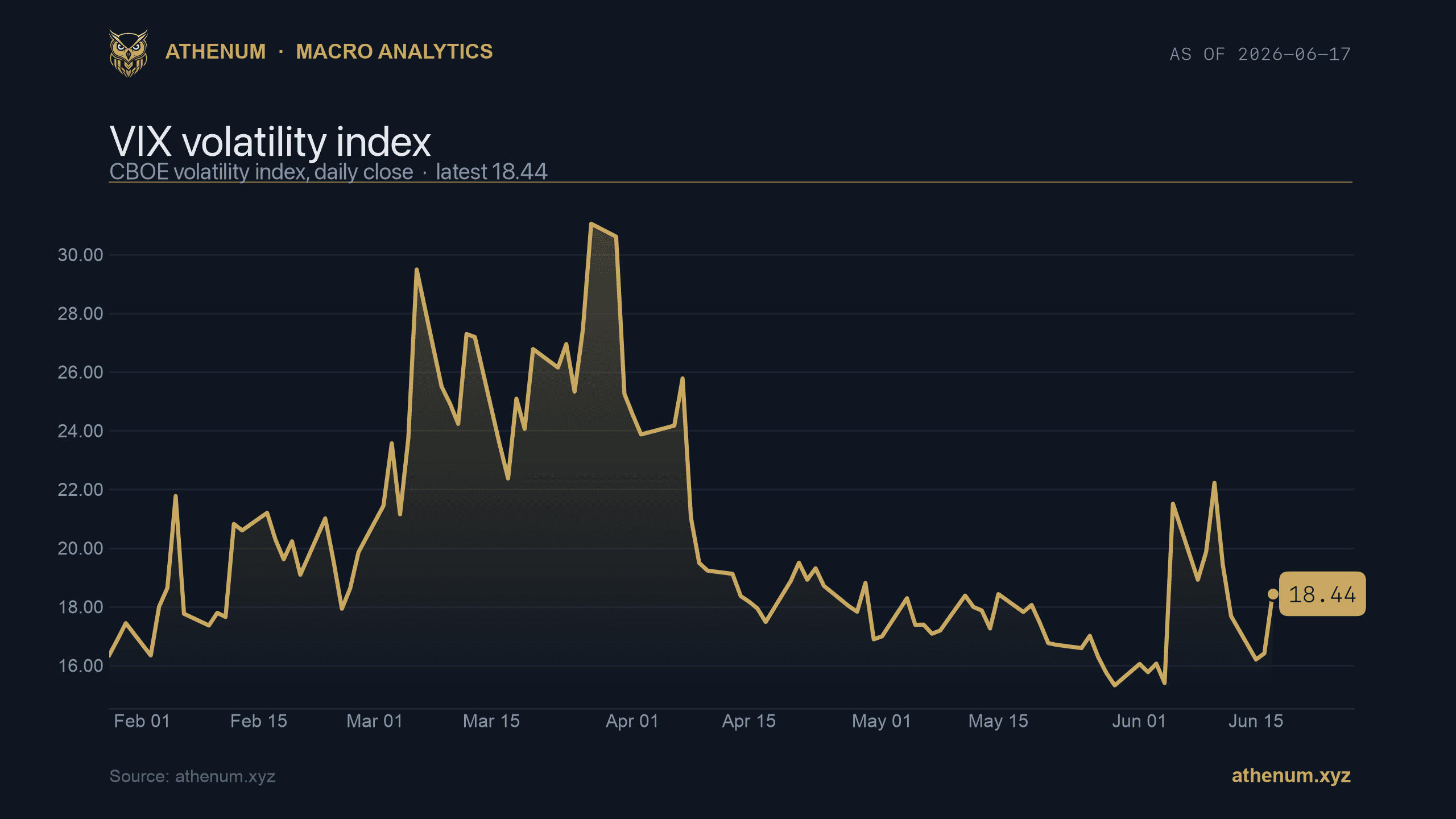
Macro Regime Neutral at 0.45 Confidence as VIX Holds at 25.33 and BTC Faces a $14.8B Quarterly Options Expiry
Date: March 27, 2026 | Data source: Athenum Analytics API, Deribit, Coinglass
 Athenum Analytics
9 min

The Institutional Signal: Decoding the Coinbase Premium Index in 2026
The derivatives market is the engine room of cryptocurrency price discovery, but for traders focused on high-conviction moves, the spot market remains the ultimate arbiter of truth. Among the noise of
Athenum Analytics10 min
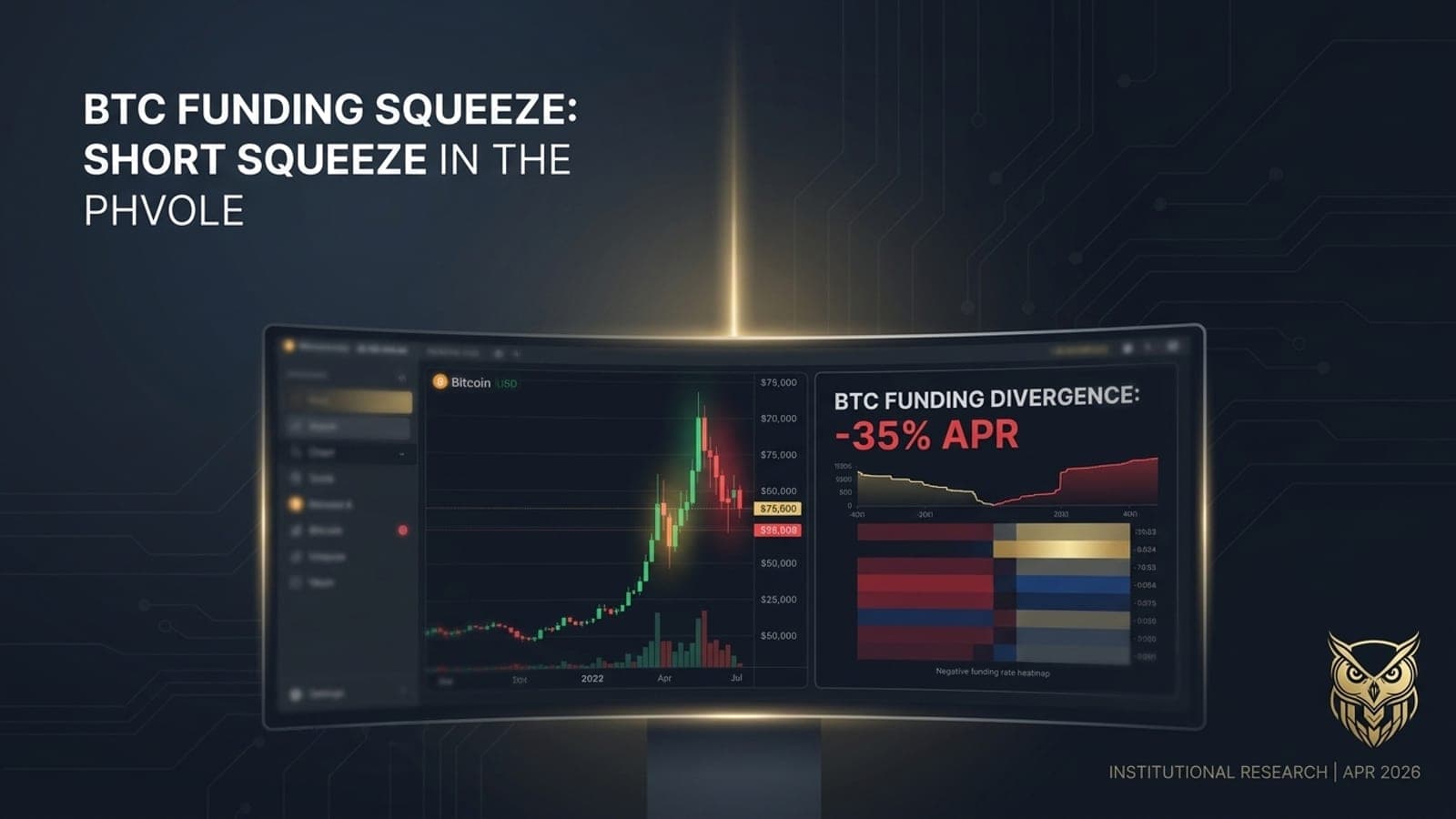
Bitcoin Funding Divergence: The -35% APR Short Squeeze Trap at $75K
Bitcoin's push above $75,000 in mid-April 2026 triggered one of the most significant positioning divergences in the perpetual futures market since 2023. Funding rates across major exchanges collapsed
Athenum Analytics11 min
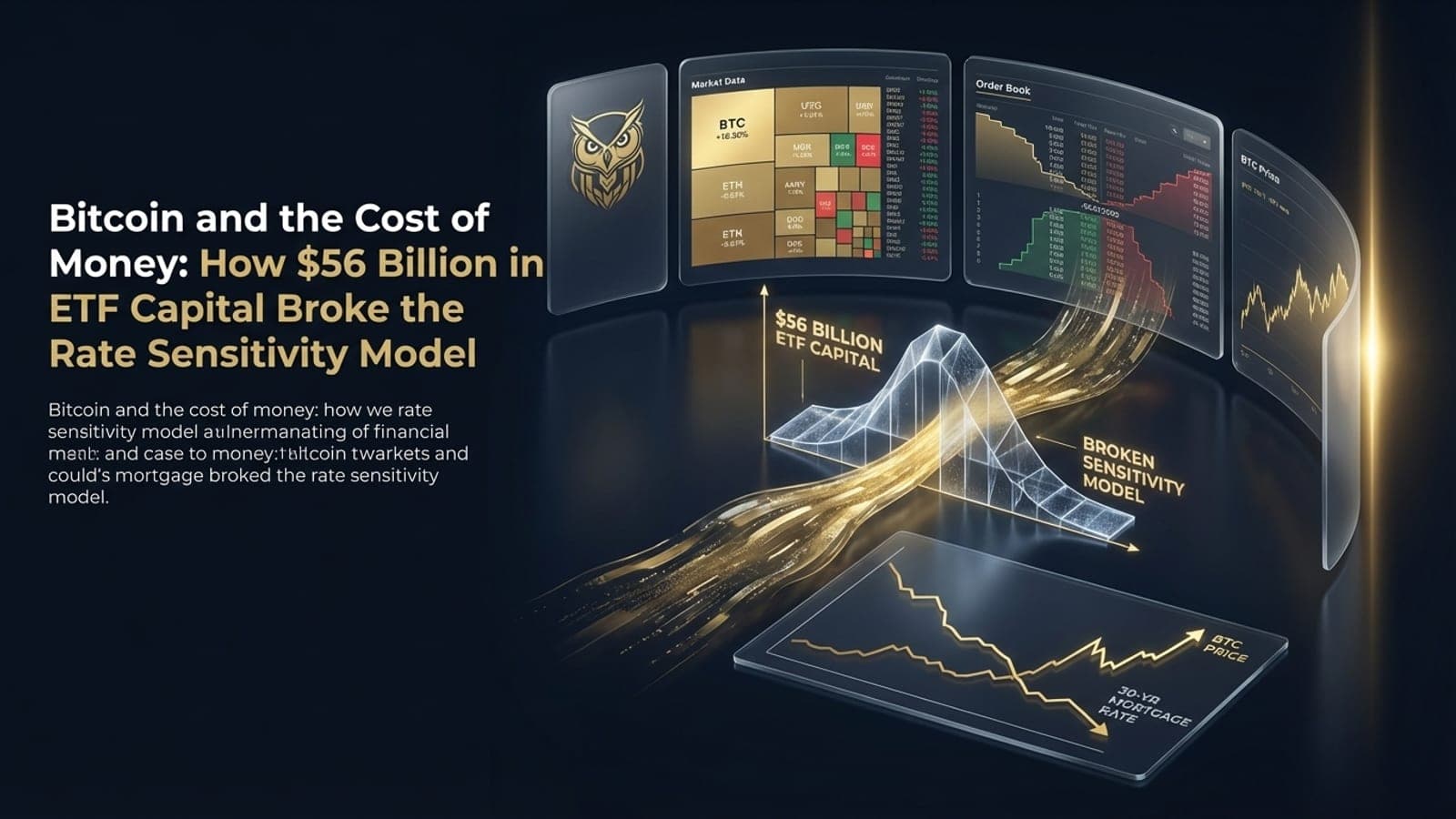
Bitcoin and the Cost of Money: How $56 Billion in ETF Capital Weakened the Rate Sensitivity Model
For a decade, Bitcoin traded as a leveraged bet on cheap money. Since spot ETFs launched in 2024, that link has weakened: what $56 billion in ETF net inflows changed, and what still responds to rates.
Athenum Analytics12 min
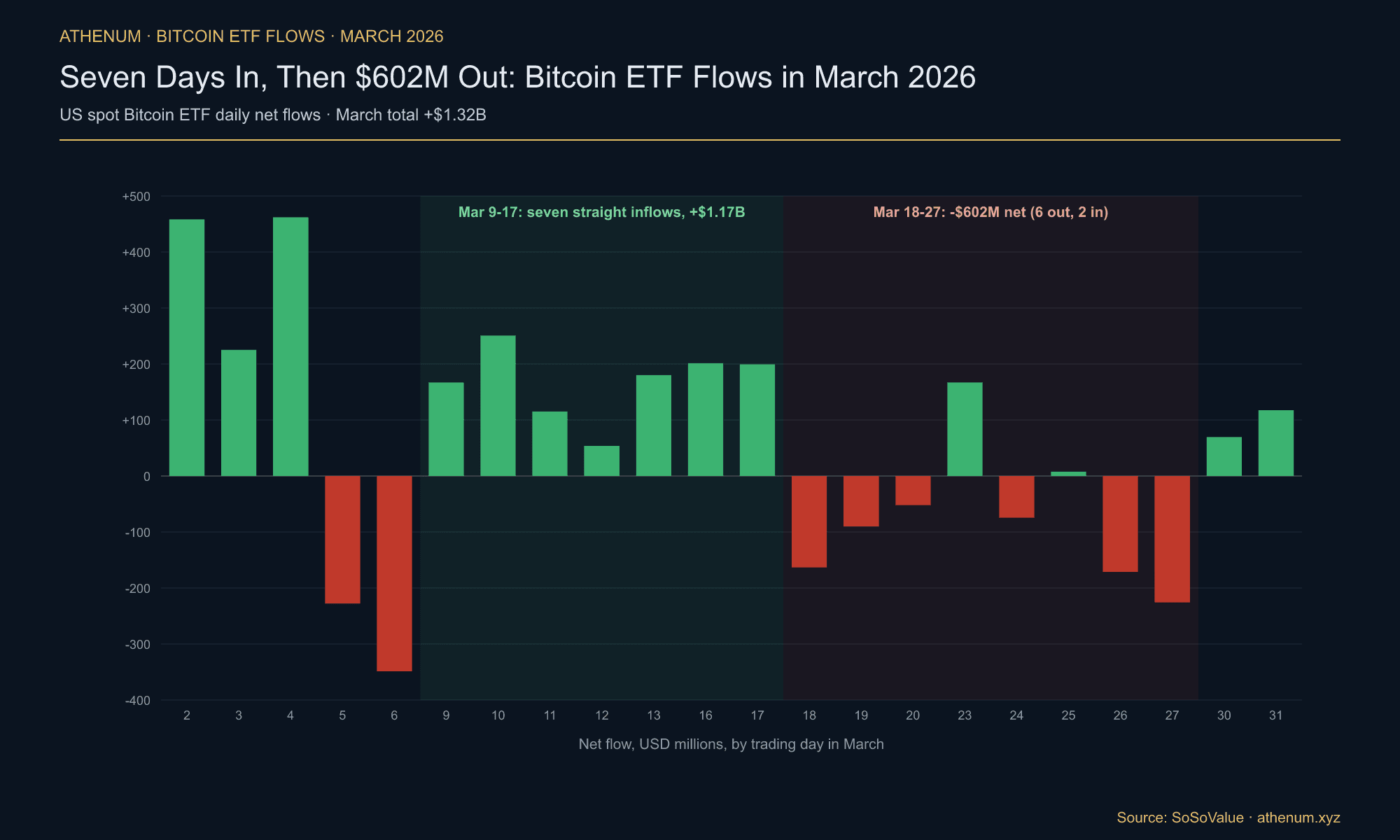
Seven Days In, Then $602M Out: Bitcoin ETF Flows in March 2026
US spot Bitcoin ETFs took in $1.17 billion over seven straight sessions to March 17, 2026, then shed a net $602 million over the eight sessions to the March 27 options expiry. March still ended up $1.32 billion, with 14 inflow days and 8 outflow days (SoSoValue).
Athenum Analytics12 min
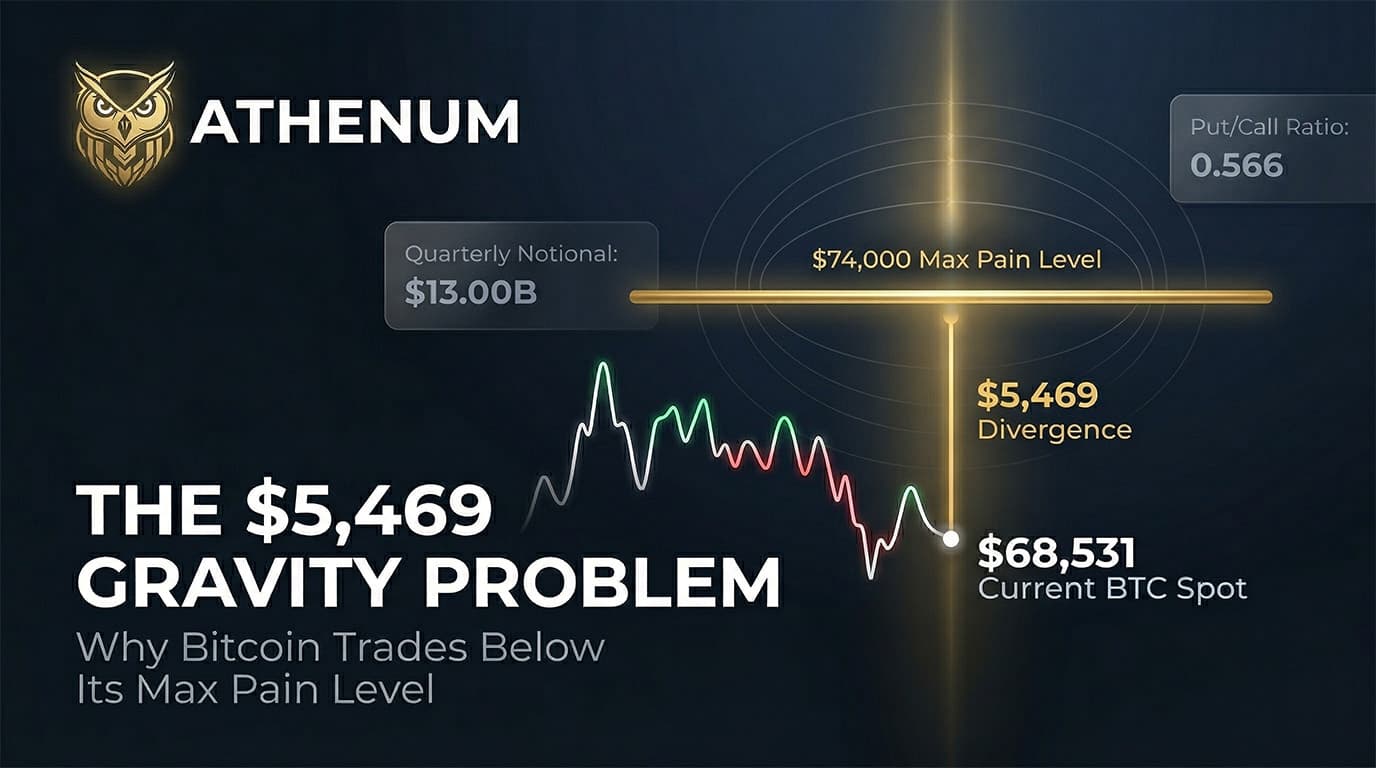
The $5,469 Max Pain Gap: Why Bitcoin Stayed Below $74,000 Into the March 27 Expiry
About two hours before the 27 March 2026 quarterly options expiry, Bitcoin traded at $68,531, $5,469 (7.98 percent of spot) below the $74,000 max pain level. Deribit settled the expiry at $68,610.02: max pain did not pull the price up.
Athenum Analytics11 min

Athenum Weekly Intelligence (February 22 - February 28, 2026)
Trump's 15% tariff shock triggered $468M in liquidations and a 3% BTC drawdown. But whale walls stacked bids, funding rates turned negative, and institutions broke a five week outflow streak with $560M in fresh ETF inflows. Smart money is buying what retail is selling.
Athenum Analytics13 min
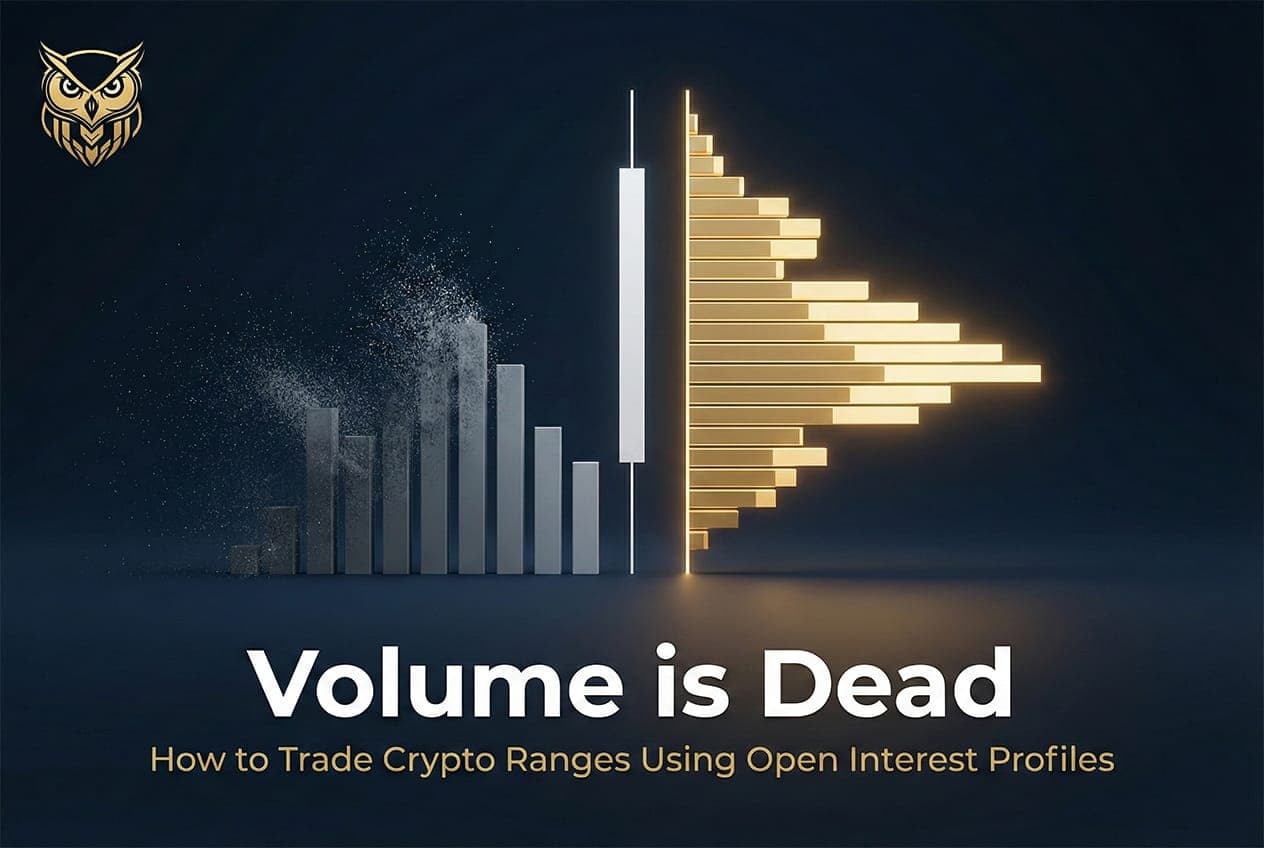
Volume is Dead: How to Trade Crypto Ranges Using Open Interest Profiles
75% of crypto trading is leveraged derivatives. Spot volume profiles lie. Learn how Open Interest Profiles reveal where leverage is trapped, why high volume nodes are often ghost levels, and how to spot fakeouts before they liquidate your account.
Athenum Analytics23 min
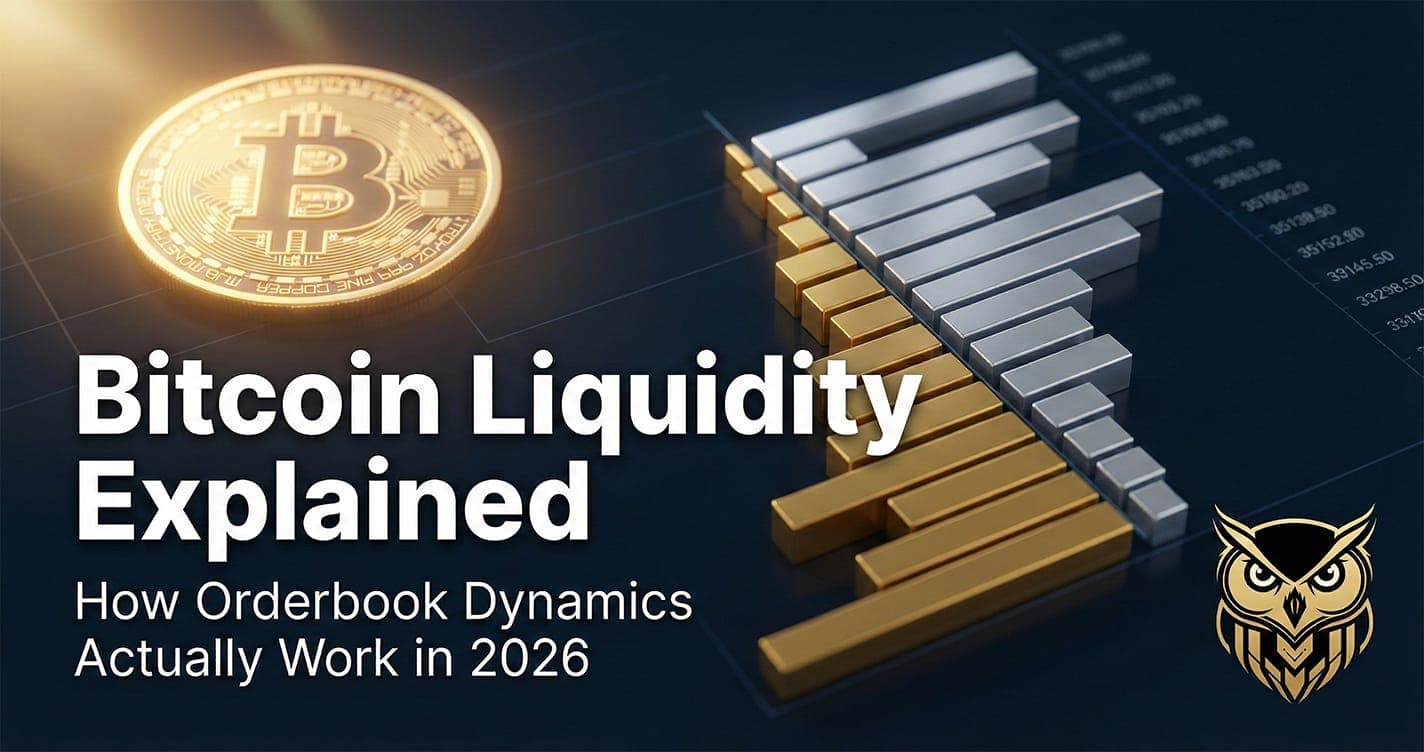
Bitcoin Liquidity Analysis: Understanding Orderbook Dynamics in 2026
Most traders watch price. Smart traders watch liquidity. Here's everything you need to know about Bitcoin orderbook dynamics in 2026 and why it matters more than ever for protecting your capital.
 Jackson Ly
16 min